Getting the Wavelength Right: The Truth About High-Pressure Mercury Lamps
High-pressure mercury lamps are basically the heavy lifters of industrial UV curing. But here’s the thing: we aren’t just making a lightbulb. We’re actually messing with the plasma inside a quartz tube to hit very specific spectral peaks. Looking ahead to 2026, we’re focusing on tightening those tolerances. Why? Because the new photoinitiator chemistries coming out are a lot pickier about the light they receive.
Pressure, Power, and the Heat Struggle
We use high-pressure mercury vapor to shift the emission spectrum. By cranking up the internal pressure, we broaden those spectral lines. This gives you a wider spread of UV-C and UV-B output, which is a lifesaver when your coating has multiple layers that absorb light at different depths. Now, we spec these for high wattage density, but there’s a catch. If you push more power into a shorter tube, your reflectors are going to feel the heat. If your cooling fans aren’t doing their job, the lamp overheats. And when that happens? Your UV output drops. It’s a simple, frustrating cycle.
It’s More Than Just Glass
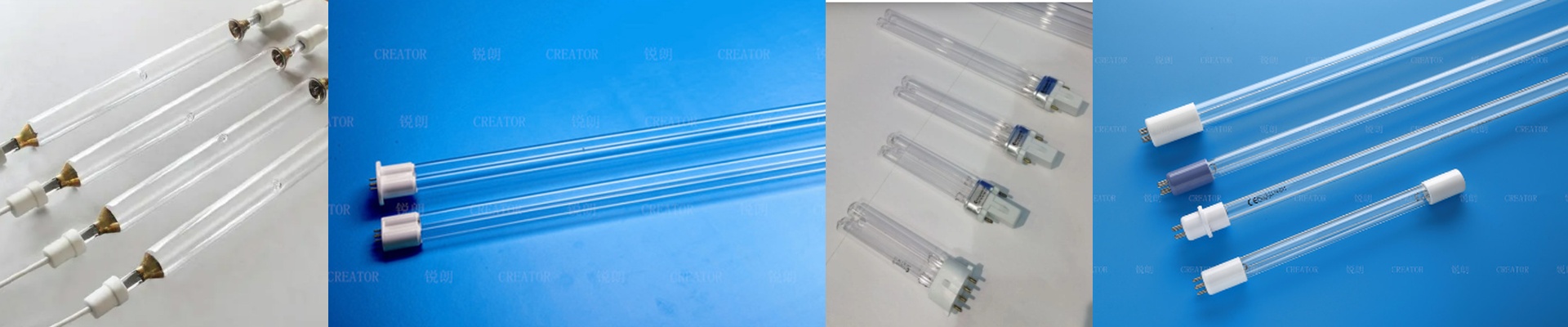
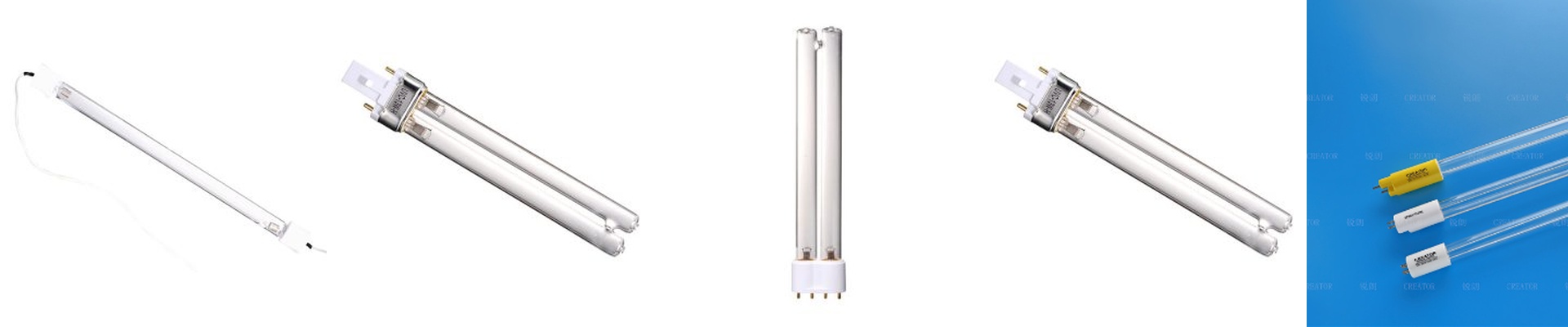
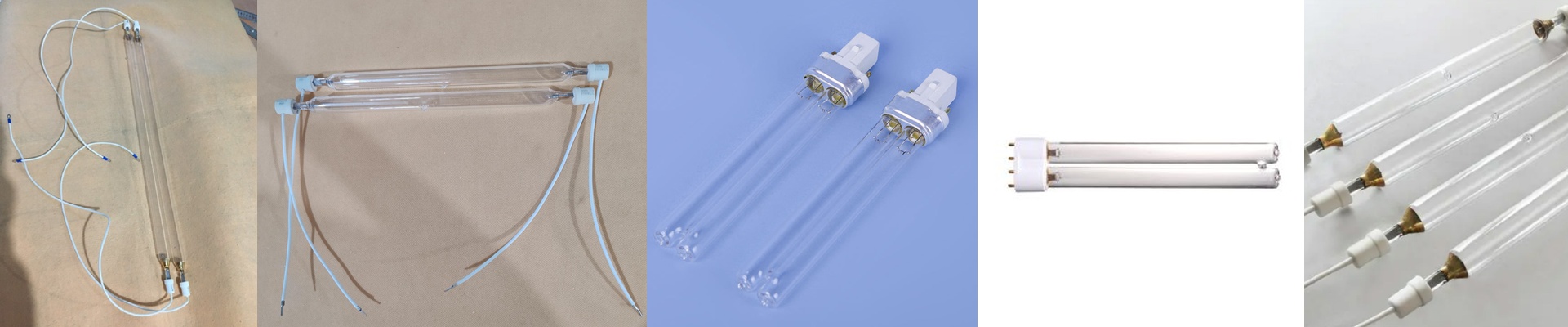
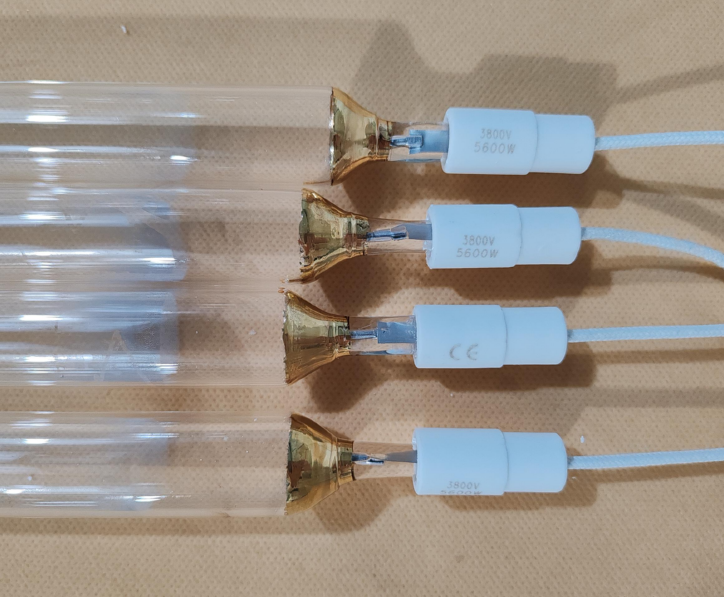
The envelope isn’t just a piece of glass. We use high-purity fused quartz so the tube doesn’t end up absorbing its own UV light. To get the exact wavelengths you need, we use doped quartz or thin-film coatings. This is huge because it blocks the infrared heat that would otherwise warp your substrate. Plus, we’ve switched to reinforced end-cap seals. Most lamps burn out early because of gas leaks, so we’ve basically plugged the holes.
Real-World Setup
These are designed to be drop-in replacements for your existing curing tunnels. Easy. You can wire them to standard electronic ballasts, but keep an eye on your power supply. If your voltage spikes, it’ll kill the electrodes. We’ve found that keeping a steady current prevents electrode pitting, which means you aren’t swapping out tubes nearly as often. Just keep in mind the trade-off: the more UV intensity you demand, the shorter the lamp’s life will be. That’s just the nature of the beast.