Dealing with Electrical Noise in Big UV-C Setups
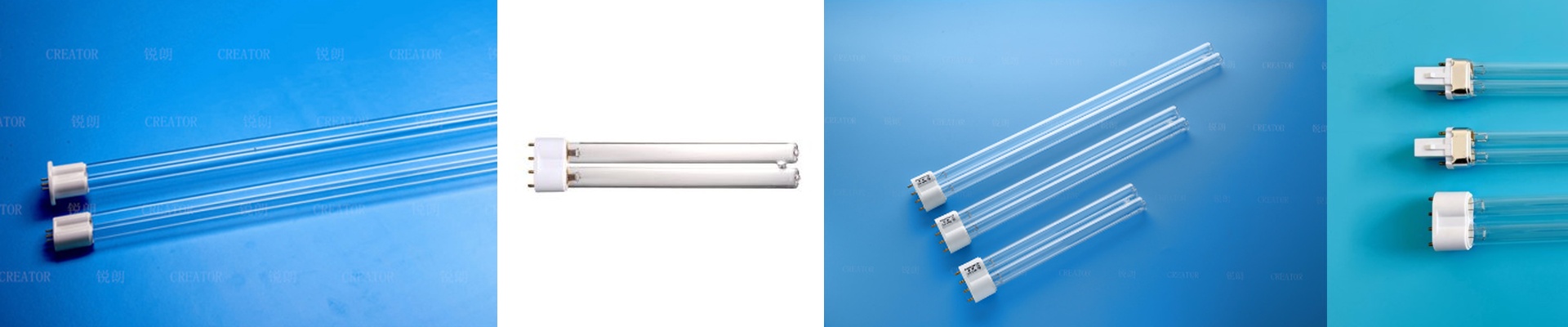
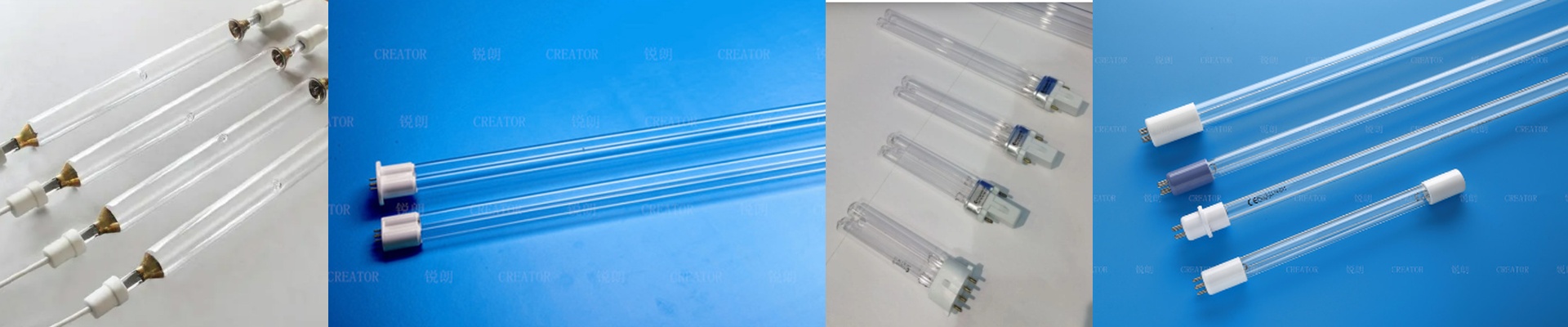
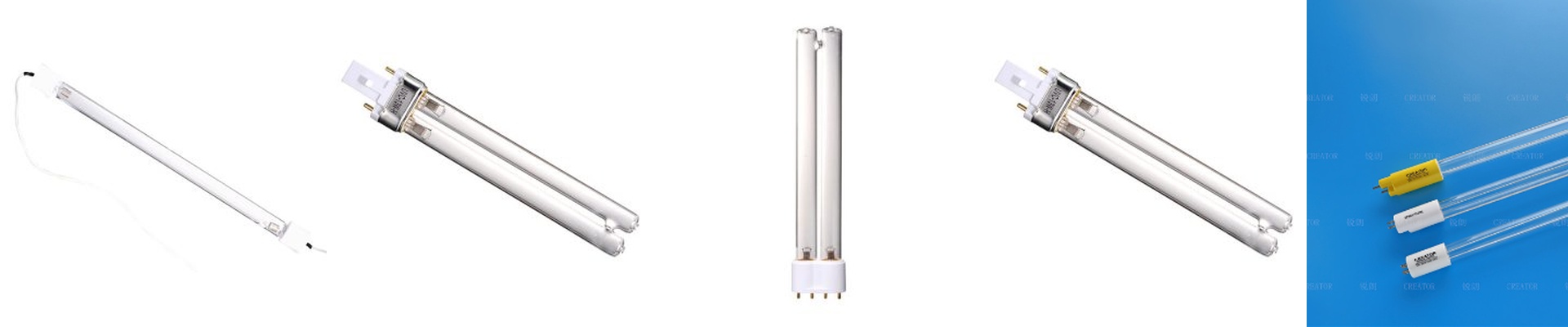
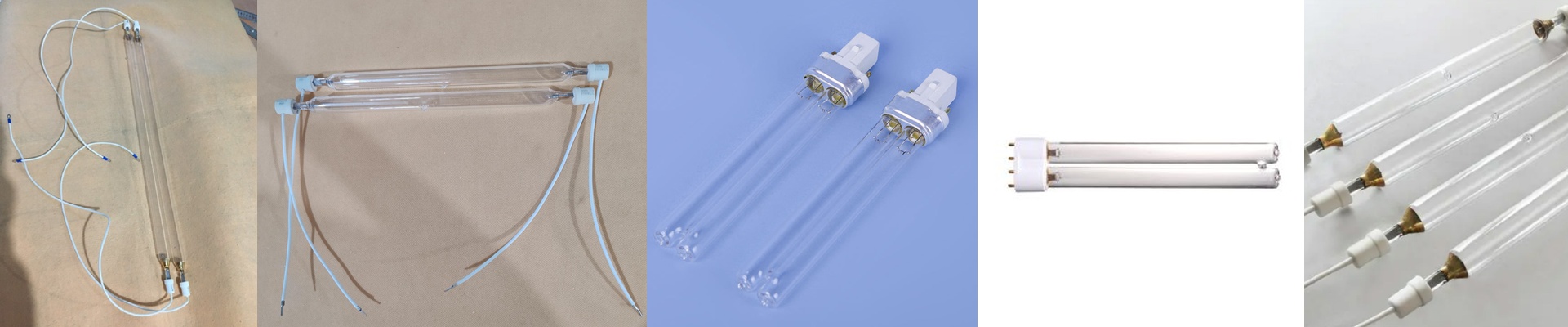
If you’ve got a shop full of large printing presses, you know how chaotic the power can get. Between the massive motors and those high-frequency drives, the electrical environment is just… noisy. Here’s the problem: if your UV bulbs and ballasts aren’t tough enough to handle that interference, things start acting up. You’ll see flickering. Lamps will burn out way too early. Or worse, your output just becomes erratic. It’s a headache you don’t need. Keeping the light steady We design our bulbs to keep a stable arc, even when the power grid is “dirty.” Most cheap bulbs just can’t take it. Their electrodes give up the ghost the moment a voltage spike hits. We do things differently. We use reinforced electrode coatings and precision-matched quartz envelopes to keep the plasma steady. It means when a nearby press kicks into high gear, your lamps don’t just “drop out.” They keep working. Handling the load It isn’t just about the bulb, though. It’s about how that bulb talks to the driver. When you’re wiring dozens of these units into one big industrial circuit, things can get messy. We spec our bulbs to keep the current steady across the whole array. You’ll actually see the difference in the flicker. When the arc is stable, your UVC output (253.7nm) stays consistent. That’s the only way to be sure your sterilization cycles are actually hitting the dose they’re supposed to. The trade-off Now, there is a catch. To get this kind of interference protection, you need beefier ballast shielding. That means the power supply takes up a bit more room. Don’t just squeeze these into a tight, unventilated box without thinking about the heat. If those ballasts overheat, all that fancy anti-interference tech doesn’t mean a thing because thermal drift will take over. Double-check your cooling fans. Make sure they can handle the total wattage of the array so you don’t end up with a premature burnout.